
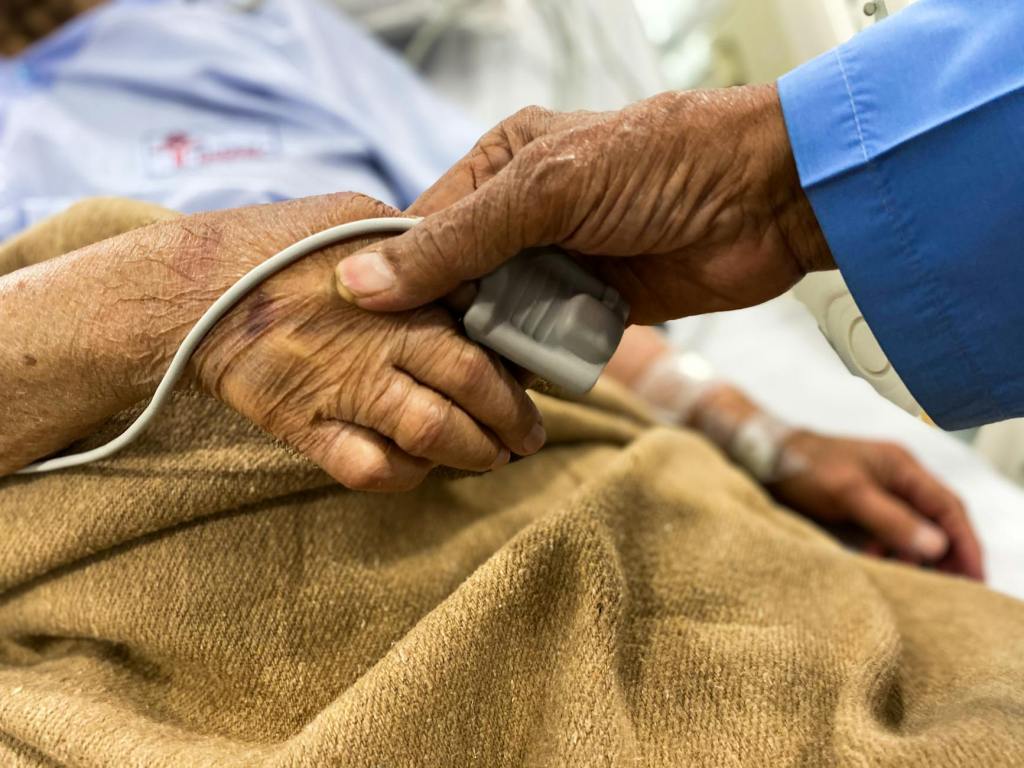
Picture this silent crisis in our country. There is a rising cost of medicine and treatment. There are difficulties and expenses that come with insurance and healthcare systems. Combined, these have created a difficult situation for many individuals who struggle to afford life-saving medications. In the United States, an ample amount of people find themselves unable to afford the cost of these essential drugs, including many elderly people. I currently work at a pharmacy as a pharmacy technician intern. In this position, I constantly come across many seniors who are unable to pay for their medications, especially those treating chronic conditions that often require a daily dose to manage and maintain their health. That frequency means they’re spending more on their health than someone buying Advils or Tylenol for occasional use. As a result, a lot of them are forced to make choices between buying their necessary medications, or putting their health at risk to be able to afford food or rent. They are put into a dilemma of how to survive. Future physicians must recognize that such patients aren’t only plagued by the symptoms they come to the clinic for. These flaws in our healthcare system affect their patients, too. It’s important to recognize what these difficulties are to help patients develop better health outcomes in as many ways as possible. What use would it be to treat the symptoms of diabetes, for example, if the patient wouldn’t be able to afford insulin? There are hundreds of thousands—if not millions—of patients in similar places. All the resources available to physicians must be put towards making health accessible, and the best place to start is to get a better understanding of the issue. As an example, I’ll be walking you through what I’ve seen with seniors.
In some cases, the consequences of this issue can be much more severe than others. Consider the elderly population that depends on Medicare, specifically. Medicare is essential for seniors’ access to healthcare, yet there are still coverage gaps and high out-of-pocket expenses for some medications. The result is that a group of people who are already at risk—remember, poor health outcomes tend to become more common with age—must deal with not having the money to pay for the prescription drugs that are essential to their health. “As many as one in four seniors, or more than 10 million seniors nationwide struggle to afford prescription drugs, with higher rates among more vulnerable groups, including low-income seniors, people of color, and those in poor health” (Protect Our Care). The issue of seniors’ prescription medication affordability in the United States isn’t isolated to a few cases. It is widespread and pervasive. As healers, we must raise awareness about the need for legislation and activities to address these concerns and guarantee fair access to vital drugs for all seniors.
The reputation of big pharmaceutical corporations have declined dramatically in recent times. As the prices of medications have increased undeniably high, Americans have struggled to trust the companies that manufacture these drugs and partake in setting these prices. Consumers expect these businesses to behave with integrity, offer more affordable alternatives, and be more transparent. Moving in this direction is good. It is bringing about a major change, forcing these businesses to consider how they might better support people’s health. This then trickles down to making health treatments more affordable. Physicians come into play here by educating their patients on this topic. But there is a balance to be found. While it is unhelpful for patients to blindly accept the cost of treatments without asking for fairer prices, full-blown cynicism from patients may keep them from even considering the treatments they need in the first place. So a healthy dose of skepticism must be what patients go for. They should know what is happening with their medications, without losing complete faith in the treatments they do receive. This way, real change can be encouraged without sacrificing desired health outcomes. Much of this can be helped by you future physicians. As you go into med school, residency, and beyond, maintain your awareness of what patients like the elderly may face. Take a stand against these issues and use your platform to transform what healthcare can be.
 MedConnect